When we think of orthodontics, we often picture teenagers with braces. Yet there is an approach for younger children: interceptive orthodontics. This early intervention aims to correct certain jaw growth or tooth alignment problems as soon as they appear. Why act early? Because some anomalies are easier to correct while the child is still growing, which can make all the difference for future development.
What is interceptive orthodontics?
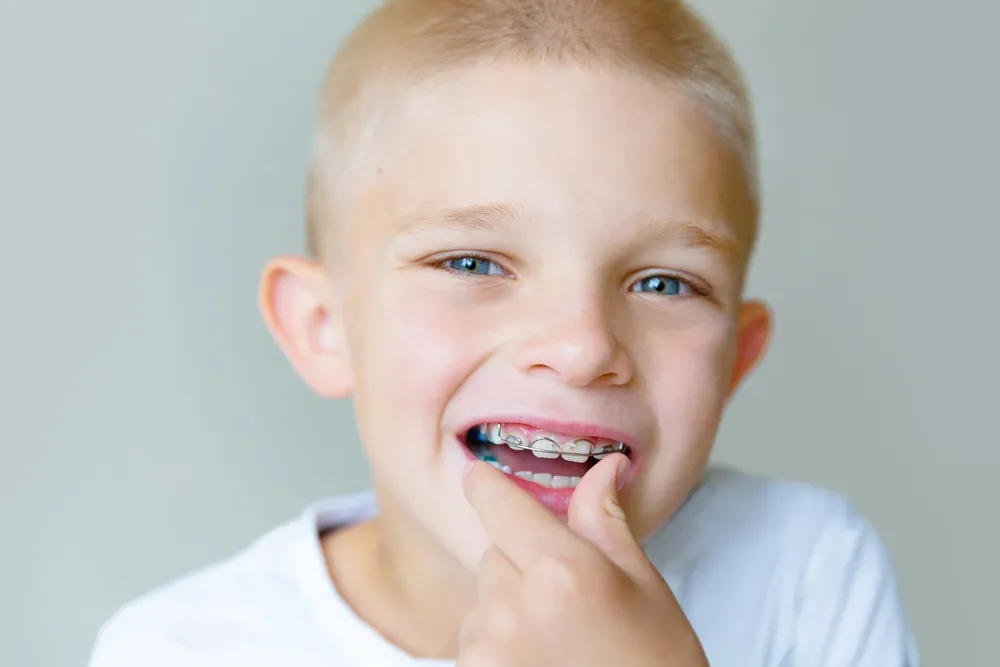
Interceptive orthodontics covers early treatments for children, usually before adolescence, to correct or prevent malocclusion problems. The goal is not always to complete orthodontic treatment at that point, but rather to guide jaw growth and keep anomalies from getting worse.
This can mean, for example, widening a dental arch that is too narrow, correcting an asymmetry or managing habits that affect oral development.
At what age should a first assessment be considered?
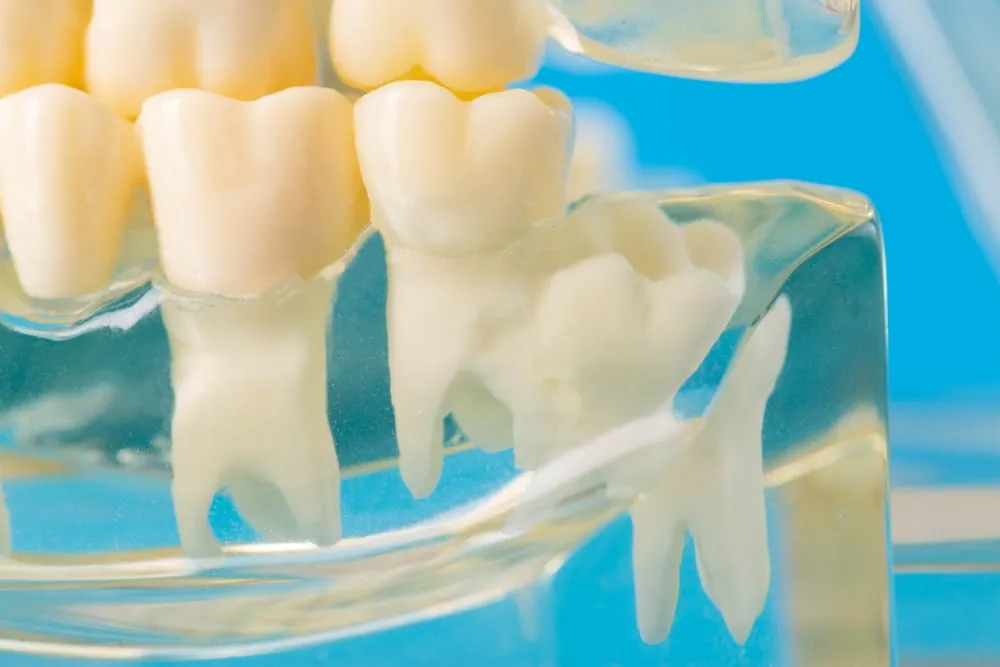
Professional associations generally recommend a first orthodontic consultation around age 7. At this age, the child already has their first permanent molars, which lets the dentist properly assess the bite (how the upper and lower teeth meet).
This visit does not mean treatment will automatically be needed. It is mainly a way to get a picture of the current situation and detect any risk factors for future development. In many cases, regular follow-up is enough, with no immediate intervention required.
The first assessment is therefore an essential preventive step: it determines whether early intervention could be beneficial. Otherwise, it may show that the child can simply continue developing naturally, while being closely monitored by the dental team.
Signs to watch for in your child
Some signs may alert parents that an orthodontic assessment is needed sooner than planned. The most common include:
- Overlapping teeth or a lack of space.
- Jaws that seem misaligned or asymmetrical.
- Persistent mouth breathing, often associated with facial growth problems.
- Prolonged habits: thumb-sucking, using a pacifier past age 3–4.
- Crossbite (lower teeth biting in front of the upper teeth).
- Teeth that come in crooked or overlap as soon as they erupt.
These situations do not always need to be corrected immediately, but they deserve an assessment so the problem does not get worse.
The benefits of early intervention
Interceptive orthodontics offers several concrete benefits for the child’s health and development:
- Guiding jaw growth: by acting early, it is possible to correct the growth path and achieve a better balance between the upper and lower jaws.
- Reducing the need for heavier treatment in adolescence: correcting problems early sometimes avoids extractions or surgery later.
- Improving breathing and craniofacial posture: a palate that is too narrow can interfere with nasal breathing. Widening it at the right time improves the child’s quality of life.
- Building the child’s confidence: a harmonious, functional smile contributes to self-esteem from a young age.
Practical tips for parents
- Plan a first assessment around age 7, even if there are no obvious signs. A simple appointment can reassure parents.
- Watch oral habits (sucking, mouth breathing, biting lips or objects).
- Observe how the smile develops: overlapping teeth, insufficient space or misaligned jaws.
- Don’t hesitate to come in sooner, for example if your child complains of pain or difficulty biting or chewing.
At Centre Dentaire Ethier & Nadeau, orthodontics is an integral part of the comprehensive care we offer children. Thanks to modern technologies such as 3D imaging and the team’s skills, we can precisely assess jaw growth and propose a personalized plan.
The goal: to support each child’s development, ensuring both the functional health and the harmonious look of their smile.