
Periodontics: for healthy gums
The gum is an integral part of the periodontium, the set of structures supporting the teeth, which also includes the cementum, the periodontal ligament and the alveolar bone. It is at the heart of periodontics, an important discipline of modern dentistry. The gums protect the tooth roots from outside elements (bacteria, stimuli, etc.), which makes them vulnerable to these attacks. Such attacks are fairly common, especially when plaque and tartar (bacterial deposits) build up at the base of the teeth. The gum can then develop inflammation of varying severity (gingivitis) or a deeper, more serious disease (periodontitis).
Diseases to take seriously

- Gingivitis: This mild to moderate infection is characterized by inflammation of the gums, usually superficial. It is mainly noticed through bleeding during the oral hygiene routine (brushing and flossing). It can also cause slight redness and swelling. It is fairly easy to control when diagnosed in time, but can turn into periodontitis without proper treatment.
- Periodontitis: A severe, deep gum disease that usually results from uncontrolled inflammation. At this point, bacteria have got under the gums, creating gum pockets (clusters that cause the tissue to pull away). Along with more persistent bleeding, redness and swelling, it causes chronic bad breath, pain when chewing, gum recession and sometimes fever.
Periodontal care adapted to the type of infection
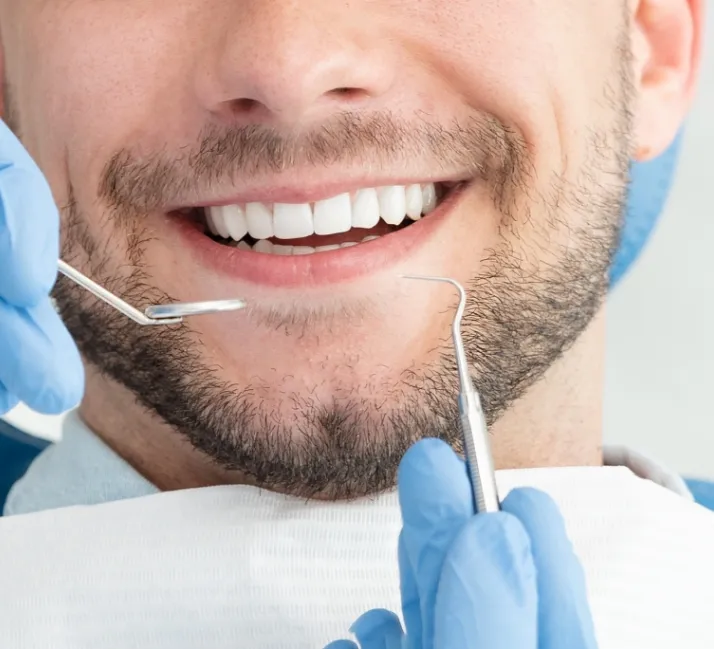
To treat gingivitis, we perform a cleaning that includes complete, thorough scaling. This, combined with good oral hygiene practices (brushing two to four times a day and flossing daily), is usually enough to stop it and keep the infection from progressing. To treat periodontitis, we use root planing (closed curettage), a below-the-gum cleaning. By scaling the tooth roots, we eliminate the periodontal pockets and remove harmful bacteria. In very advanced cases of periodontitis, open curettage and reconstructive surgery are sometimes needed.
Frequent cleanings for healthy gums

During the dental exam, we check your gums for signs of infection and whether they need special care. If there is inflammation, we clean them with great precision. Cleaning also helps prevent gingivitis and periodontitis by controlling plaque and tartar. Your treatment team in Saint-Eustache even takes the health of your gums into account when setting the ideal frequency of your routine visits!