

Dental emergencies: what are we talking about?
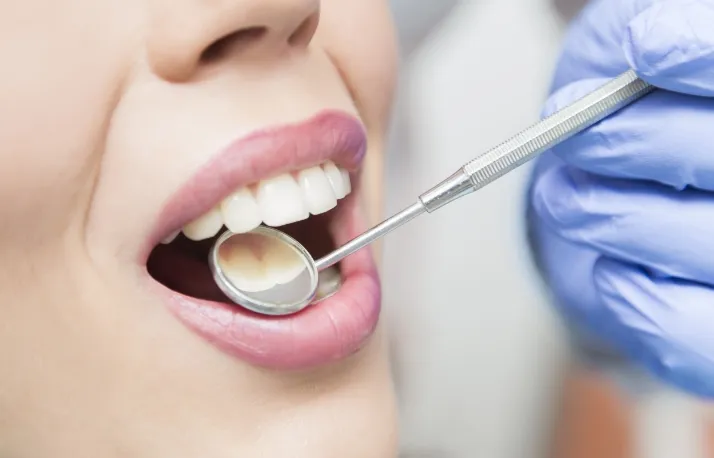
A dental emergency is a situation that needs quick, even immediate, attention because it is hard to bear and waiting too long could lead to even more serious consequences. However, it is not always easy to recognize dental emergencies and know the best way to act when they happen. Here is some information and advice to help you take the right steps to control your symptoms and help your dentist treat you.
Toothache

This is an important type of dental emergency: not only is toothache fairly common and potentially disabling, it also signals a condition that may be severe. The problems behind toothache can be of several kinds:
- A cavity that deepens and reaches the dentin (moderate pain) or the pulp, the central part of the tooth containing the blood vessels and nerves (severe pain).
- A broken or loose filling, inlay, crown or fixed bridge.
- Gum disease. The pain is usually felt when using the teeth (especially when chewing) and signals a fairly severe infection (periodontitis).
- A dental abscess, a deep infection that most often develops near the roots of a tooth.
- Complications after oral surgery or a root canal treatment. The pain lasts longer than normal (from a few hours to a few days depending on the procedure) or comes back after easing.
- Poorly fitting dentures putting undue pressure on the structures of the mouth or irritating the soft tissues.
What to do if you have a toothache
If your toothache is so intense that it wakes you at night or keeps you from your daily activities, and it eases briefly when you apply cold, contact us right away. Your dentist in Saint-Eustache will see you quickly to find the source of the pain and how to treat it. Until your appointment, you can control the discomfort with over-the-counter pain relievers (such as Tylenol or Advil). Also observe your pain so you can describe its degree and intensity, its source, how often it occurs and what may trigger it. This information will help us find the cause.
Mild or moderate pain, or pain that tends to go away on its own, does not call for an emergency visit. It should not be ignored, however, since it is also the sign of a deeper problem that will not disappear by magic. That is why it is essential to mention it to your treatment team at Centre Dentaire Ethier & Nadeau at your next routine visit. If that visit is a long way off and the pain, even if bearable, persists, don’t hesitate to move it up!
A dental abscess
A dental abscess (a severe infection under the gum that can have serious consequences) is marked by intense pain, along with other symptoms: pus, facial swelling, persistent bad breath, headaches, fever. Since it needs immediate attention, see us as soon as possible when you notice these signs. Mention them when booking so you get an appointment as quickly as possible. Until then, you can take Advil or Tylenol or apply warm compresses to your face to control the pain. Watch your symptoms and how they progress: if the swelling spreads elsewhere on your face, especially near the eyes or the airway, go to a hospital emergency room as quickly as possible.
Broken teeth
When a tooth breaks, a visit is often needed to assess the situation and repair it, so the damage does not get worse and the teeth and surrounding structures are protected. How quickly you need to act depends on the type and extent of the break:
- If the fracture is minor (only a small corner of the tooth has broken off) and does not cause marked pain (although some sensitivity to hot and cold may appear), the visit does not need to happen immediately. However, since the tooth is sharper and may get more damaged, it is important to come and see us at our Saint-Eustache clinic soon. We can repair the tooth or smooth its edges if that is enough.
- If a larger piece of tooth has broken off and you have marked sensitivity or pain, you need to be seen quickly. Bacteria could get into the tooth and cause a deep infection. If the pain is unbearable or you see a red spot or blood where the tooth broke, call us right away to get an appointment within hours.
Dental trauma (a blow or impact to the mouth or face)
- If the affected tooth or teeth seem stable and the pain is mild and gradually easing, an emergency visit is not essential. Simply tell your dentist in Saint-Eustache about the incident at your next routine visit. However, if the pain comes back or the tooth changes colour, call us to request an appointment.
- If the affected tooth or teeth are loose, see a dentist quickly, since the roots or the alveolar bone may be fractured.
A knocked-out tooth
If a tooth comes out of its socket, contact us right away. Until your appointment, pick up the tooth and clean it. To preserve it, try to put it back in place (in its socket). If that is not possible, keep it in saliva, water or milk. Always handle it by the crown, never by the roots. This increases the chances that your dentist can put it back in place.
Soft tissue bleeding
Try to control it by applying light pressure to the wound with a soft cloth. The bleeding should gradually stop. A cold water compress can help limit swelling.