
What are the temporomandibular joints?
The temporomandibular joint (TMJ) is the set of tissues that connect the skull to the mandible (the lower jaw). The muscles, blood vessels, nerves, tendons and articular discs that make it up let the mouth do its job. Thanks to the TMJs, the jaws can open and close and make the side-to-side movements needed for chewing and speaking. That is why these joints are used so much and are under a lot of pressure every day, especially the articular disc, whose role is to absorb the pressure created by the movements of the mouth. For various reasons, these discs sometimes shift, throwing the joints off balance. That is what causes TMJ disorders, which show up as pain, difficulty opening the mouth and clicking sounds.
Possible causes of TMJ disorders
- Bruxism (night-time teeth grinding): This involuntary clenching reflex puts heavy, constant pressure on the articular discs.
- Bite problems: An irregular bite (overbite, underbite, malocclusion) often causes tension and imbalances that lead to more marked disorders.
- Missing teeth: Gaps create an imbalance in the teeth that, over time, unbalances the pressure on the articular discs.
- Dental trauma: The articular disc can shift after a blow to the mouth.
- Stress and anxiety: These often cause tension in the jaws.
- Joint diseases (arthritis and osteoarthritis).
Disorders that can be disabling
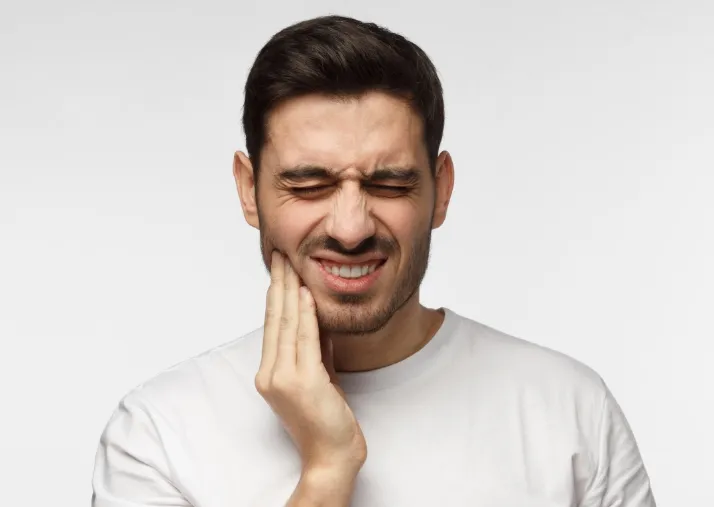
Joint imbalances cause disorders that are more or less severe and disabling. You may feel joint fatigue, but also sharper pain, often with clicking sounds. In more serious cases, it can even become hard to open and close the mouth properly, which interferes with chewing and speaking. It is nevertheless possible to limit these imbalances and control the resulting disorders.
Temporomandibular joint disorders: dental follow-up and solutions
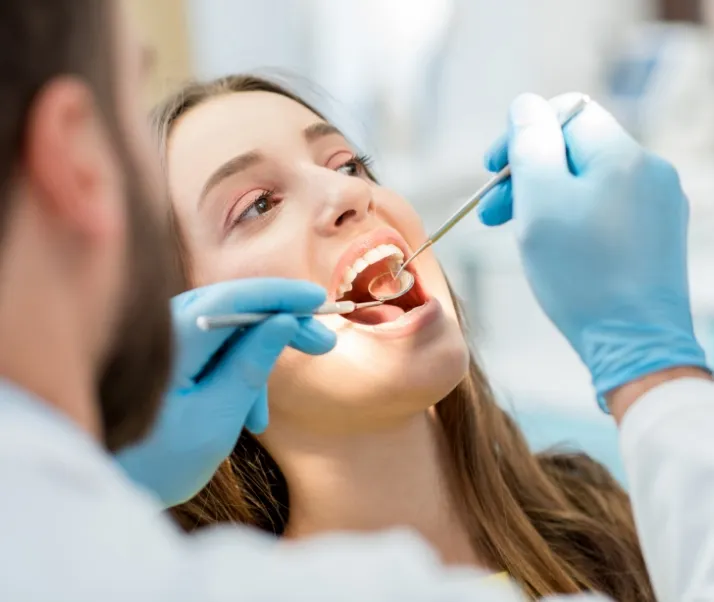
During the dental exam, especially your first one, your dentist in Saint-Eustache will assess the condition of your temporomandibular joints with a visual and tactile exam and panoramic X-rays. It will also be important to talk about your symptoms. From there, we will suggest solutions to relieve the disorders (physiotherapy, pain relievers, etc.) or to treat their source (orthodontic treatment, realignment surgery, bruxism control).