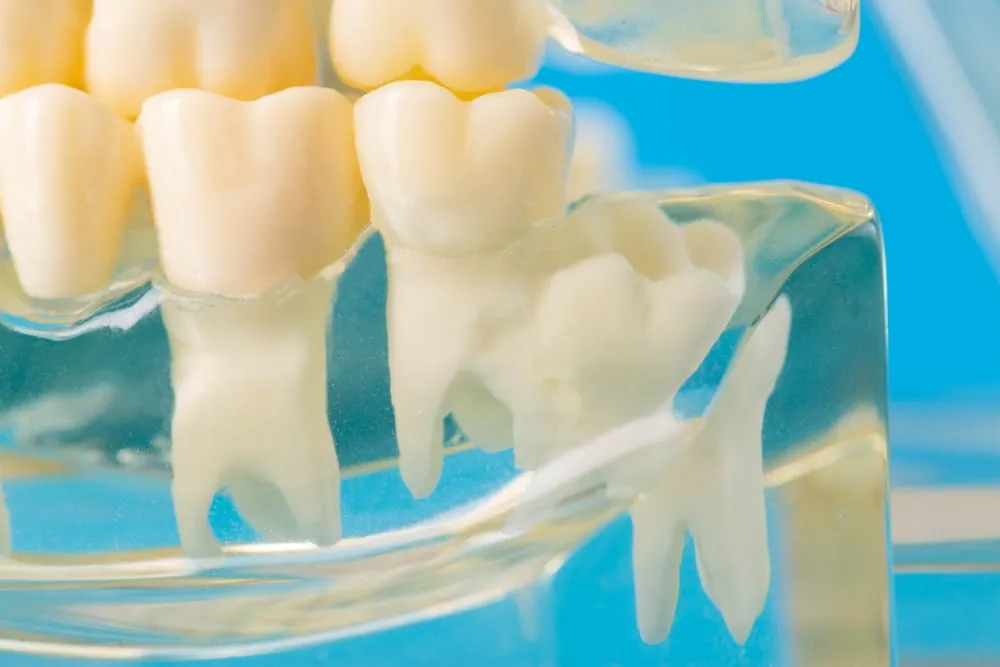
Over time, our teeth change, just like the rest of our body. Even though they are naturally strong, they are subjected to mechanical, chemical and functional forces over the years. As a result, tooth wear and sensitivity become common concerns for adults, especially from their forties on. The good news is that by understanding the causes, you can act effectively to prevent discomfort and protect your smile.
Why do teeth wear with age?
Tooth wear is not necessarily a sign of poor health: it is part of natural aging. Over the years:
- The enamel that protects the surface of the teeth gets thinner;
- Small microcracks form from repeated chewing or possible trauma;
- The gums tend to recede, exposing the more sensitive roots;
- Mineralization decreases, which makes the teeth more vulnerable to attack.
Some habits can, however, speed up this normal wear, which explains why some people develop sensitivity or discomfort sooner.
The different types of wear: abrasion, attrition and erosion
Abrasion: external mechanical wear
Abrasion happens when the tooth is rubbed or irritated by an external factor. It is often seen in people who:
- Brush their teeth too vigorously;
- Use an abrasive toothpaste;
- Have habits such as biting their nails or chewing on objects.
It often shows up as worn areas and notches near the gums, and increased sensitivity to cold.
Attrition: wear from teeth rubbing together
This type of wear is caused by repeated contact between the teeth, especially with bruxism. Involuntary clenching during the day, grinding at night, a poor bite: several factors can be responsible.
Attrition can be recognized by:
- Flattened tooth edges;
- Microcracks;
- A feeling of tension in the jaw.
Erosion: chemical wear
Erosion is caused by repeated exposure to acids. These can come from the diet (soft drinks, citrus fruits, vinaigrettes), from acid reflux or from a dry mouth, which reduces saliva’s natural protection against acid attacks.
The teeth then become smoother, sometimes more yellow, and very sensitive to external stimuli.
Why does wear make teeth sensitive?
Under the enamel lies the dentin, a porous layer containing thousands of tubules that lead directly to the nerve of the tooth. When the enamel thins or the necks of the teeth become exposed, these tubules transmit stimuli instantly. Similarly, the tooth roots, which can become exposed because of gum recession, are not covered by a layer of enamel like the normally visible part of the tooth.
This explains why:
- Drinking cold water can cause sharp pain;
- Acidic foods cause a sudden jolt;
- Brushing can become uncomfortable.
Sensitivity is therefore a warning sign that the dentin is no longer sufficiently protected or that the roots are becoming exposed.
How can wear be corrected and prevented?
A combined approach often gives the best results.
Care offered at the clinic
Depending on the cause of the wear, various options may be recommended:
- Composite restorations: they cover the worn areas and reduce sensitivity.
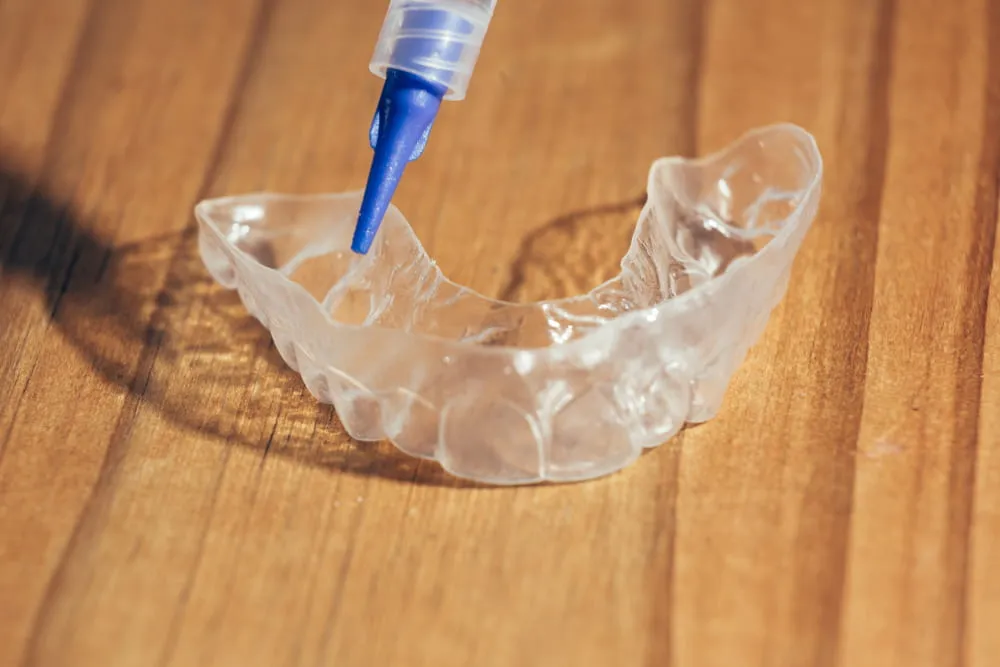
- Occlusal splint: useful for bruxism to protect the teeth at night.
- Bite adjustments: needed when the way the teeth meet causes abnormal wear.
- Gum graft: indicated when roots exposed by receding gums contribute to sensitivity.
- Personalized advice: to tackle the main cause.
Everyday habits and products to adopt
A few simple changes can slow wear and greatly reduce sensitivity.
- Brushing: choose a soft-bristled brush and use gentle circular motions, without aggressive back-and-forth scrubbing.
- Products: choose a toothpaste for sensitive teeth and avoid alcohol-based mouthwash, which tends to dry out the mouth.
- Diet: cut back on acidic drinks, and wait about 30 minutes after a meal or snack before brushing.
Aging teeth are natural, but excessive wear and sensitivity are not inevitable. With appropriate care at the clinic and well-chosen daily habits, it is possible to reduce discomfort in the long term. At the first signs of sensitivity or wear, an assessment with your dentist in Saint-Eustache lets you act early and keep the situation from progressing.